



Develop reliability systematically.Develop reliability systematically.

Reliability consulting: We turn real-world use into measurable targets, assess failure mechanisms and plan verification.As a specialist reliability consultancy, we translate real-world use into measurable reliability targets, assess relevant failure mechanisms and develop robust verification concepts.

Planning & lifetime

Planning & lifetime

News

Example project journeys

Develop and integrate a tailored reliability process

Our role:Process development and implementation supportView journey
Engineering team developing an integrated reliability process
  1. Assess the status quo

    Make process maturity, roles and existing methods transparent.

    1 / 5
  2. Prioritise interfaces

    Identify gaps, improvement potential and handovers.

    2 / 5
  3. Validate the target process

    Develop the concept and test practicality in a dry run.

    3 / 5
  4. Refine the concept

    Apply it in a pilot project, evaluate and improve it.

    4 / 5
  5. Approve the process

    Embed responsibilities and introduce the process as binding practice.

    5 / 5

Project result

An aligned reliability process that works consistently in day-to-day development.

Develop a risk-based assurance strategy

Our role:Risk analysis and strategic assurance planningView journey
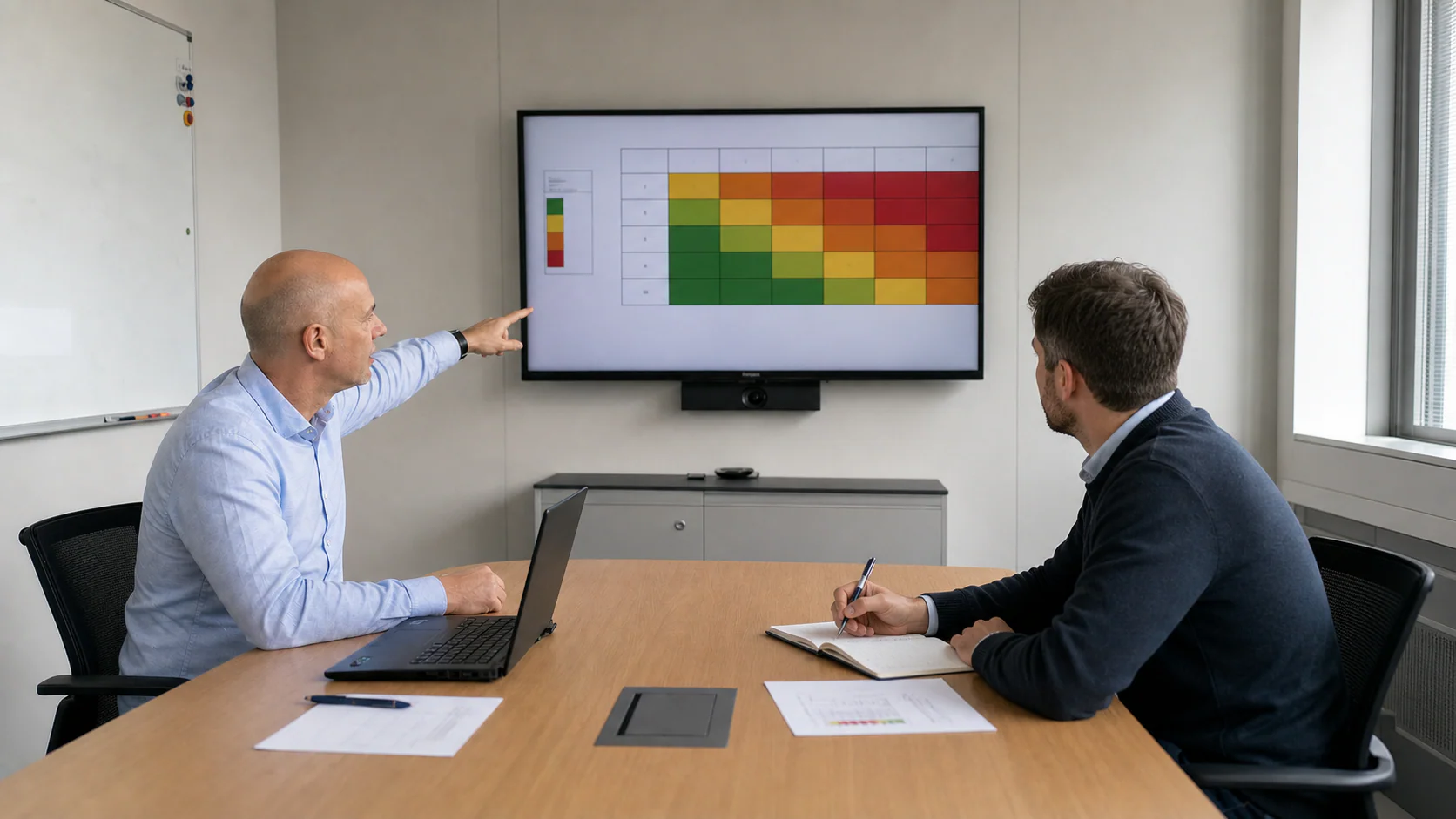
Two engineers reviewing a technical risk matrix
  1. Identify risks

    Capture critical functions, failure modes and causes systematically.

    1 / 5
  2. Prioritise risks

    Evaluate likelihood, impact and evidence needs transparently.

    2 / 5
  3. Define measures

    Select reviews, analyses and preventive methods.

    3 / 5
  4. Plan evidence

    Dimension test scope, sample sizes and reliability targets.

    4 / 5
  5. Align cost and schedule

    Budget, schedule and jointly approve the assurance plan.

    5 / 5

Project result

A prioritised, budgeted and scheduled assurance strategy for robust release decisions.

Use Design of Experiments (DoE) efficiently to optimise technical systems

Our role:Experimental design, statistical analysis and modellingView journey
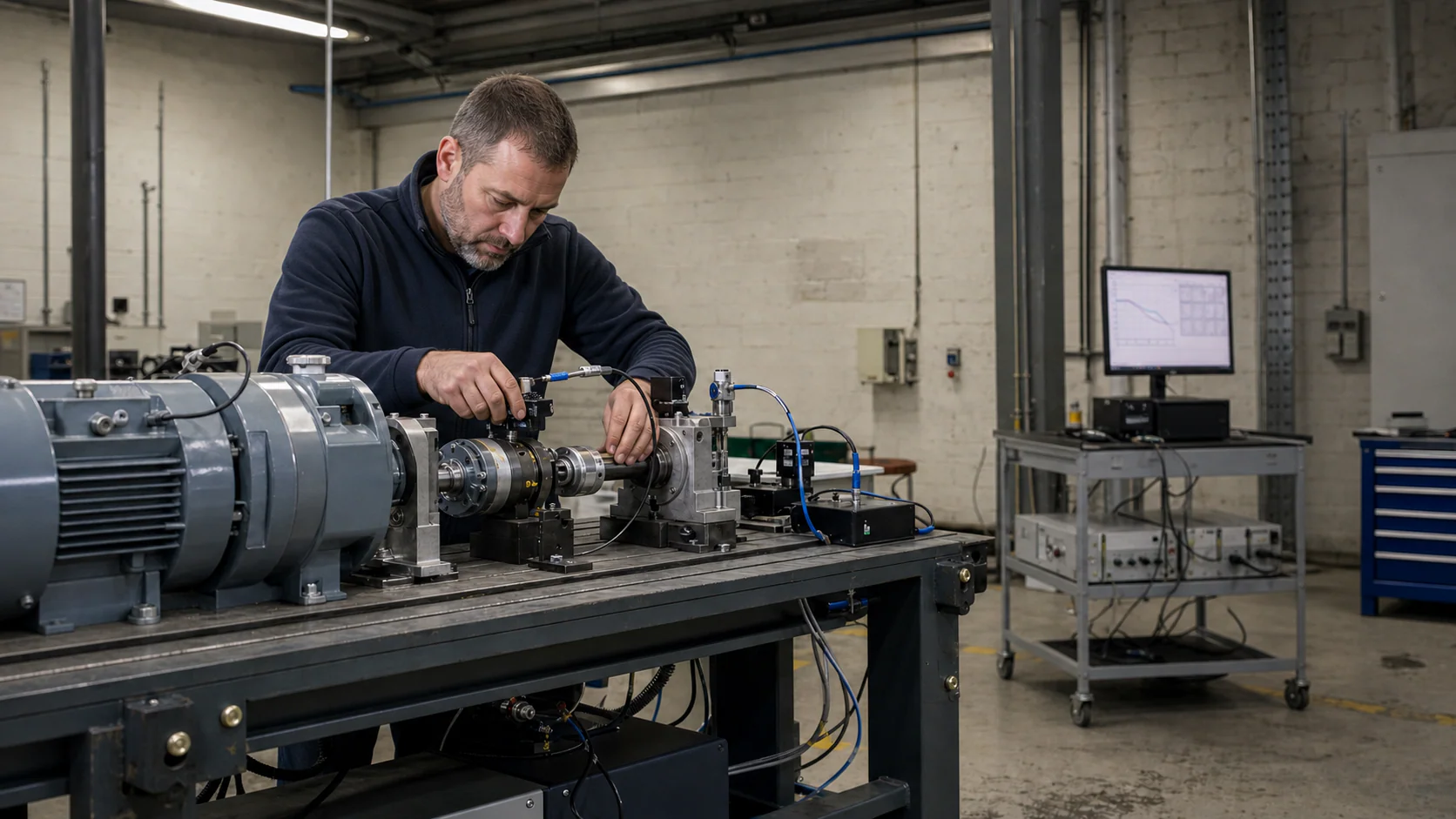
Engineer running a Design of Experiments test at an industrial test bench
  1. Define the response

    Clarify the question, objective and evaluation criteria.

    1 / 5
  2. Set factors and levels

    Define influencing factors, levels and boundary conditions.

    2 / 5
  3. Identify significant factors

    Run an efficient design and identify relevant effects.

    3 / 5
  4. Quantify relationships

    Describe main effects and interactions statistically.

    4 / 5
  5. Determine optimal settings

    Derive a robust optimum and confirm it experimentally.

    5 / 5

Project result

A robust process window and optimal factor settings with reduced experimental effort.

Safeguard a new product generation through to release

Our role:Methodological project leadershipView journey
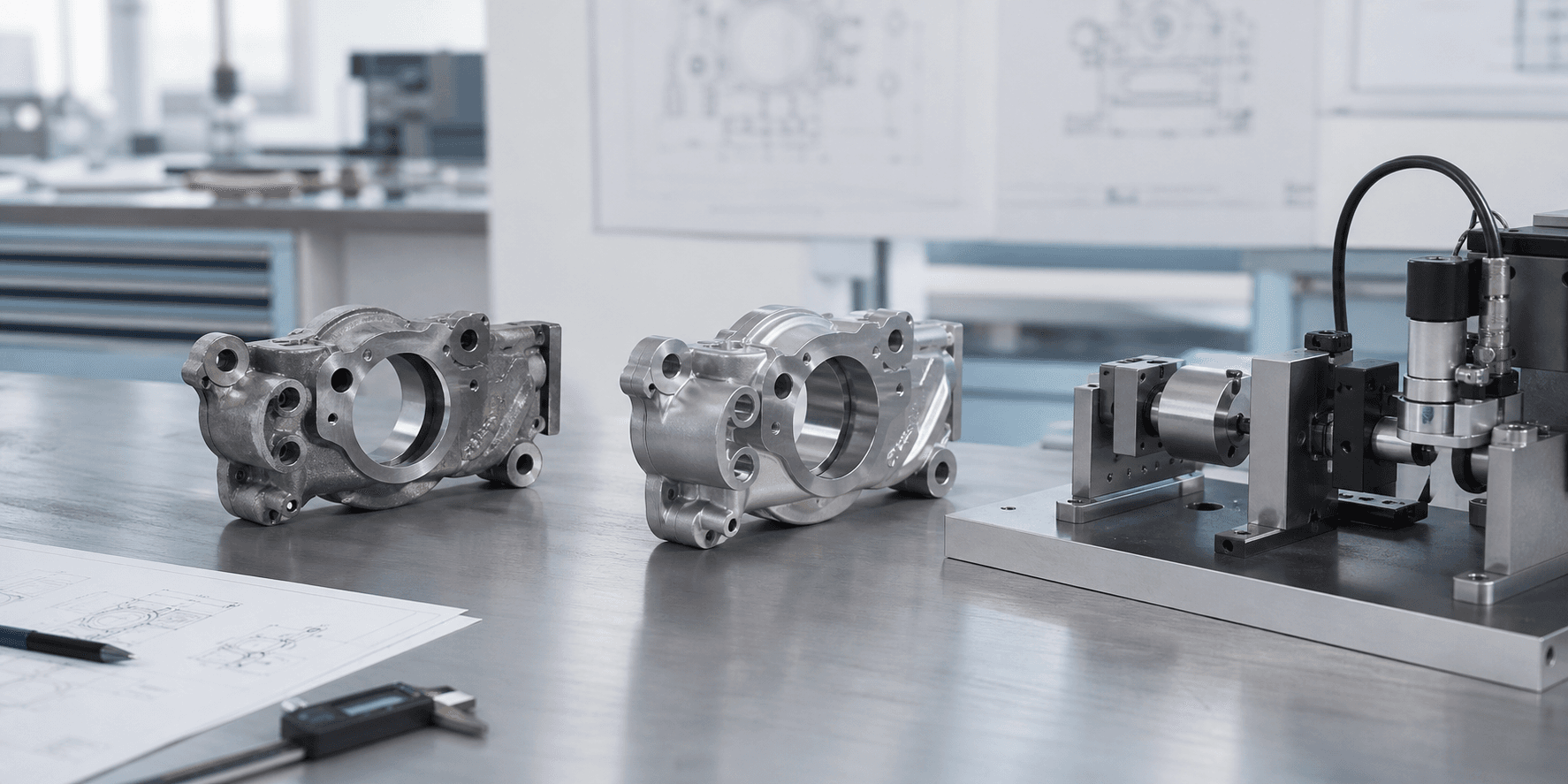
Components of a new product generation between development and testing
  1. Clarify targets and ownership

    Align requirements, responsibilities and gate criteria.

    1 / 5
  2. Prioritise risks

    Assess critical functions and potential failure effects.

    2 / 5
  3. Plan the evidence strategy

    Connect the test plan, DoE and required data coherently.

    3 / 5
  4. Steer experiments

    Interpret results and address deviations systematically.

    4 / 5
  5. Support release

    Document evidence, decisions and remaining risks.

    5 / 5

Project result

A traceable release with aligned criteria and an appropriate test scope.

Understand field failures and validate effective measures

Our role:Analysis leadership and action trackingView journey
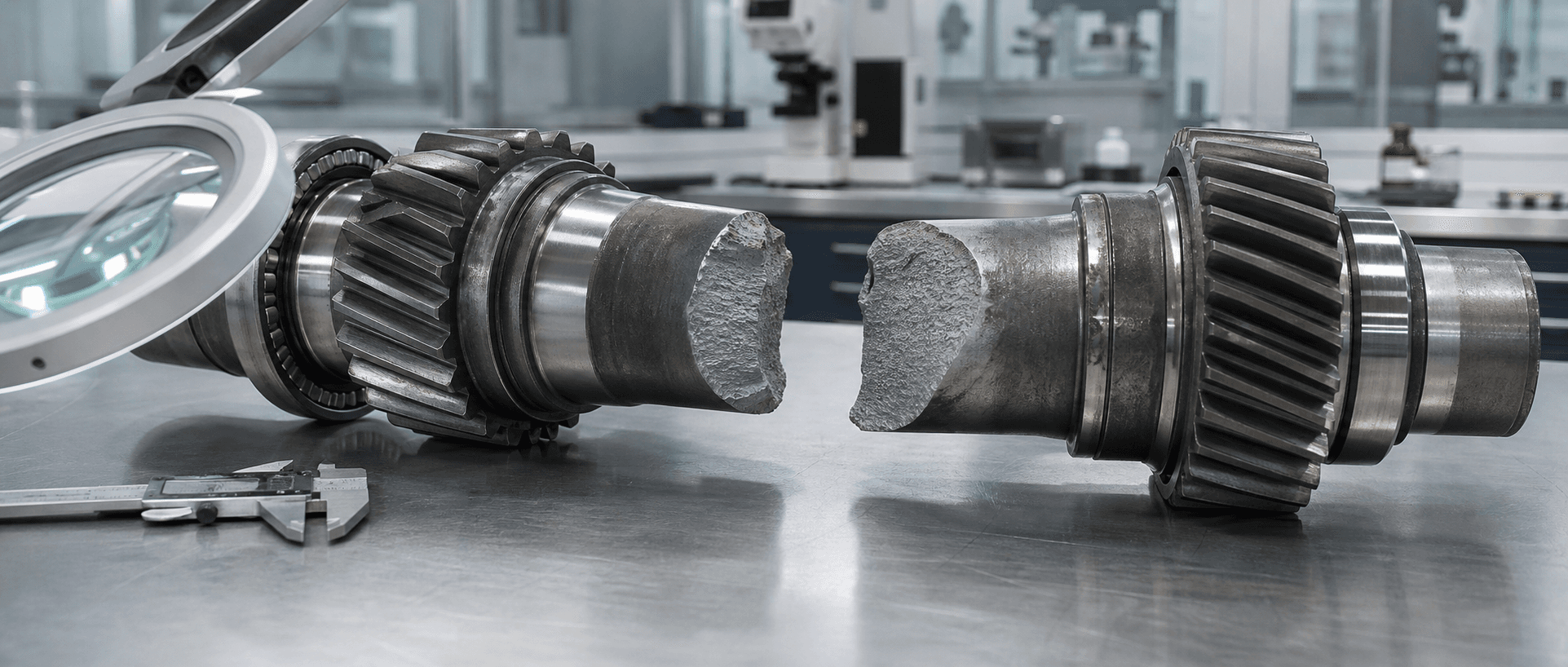
Fractured drive shaft during a technical field failure analysis
  1. Frame the problem

    Structure failure patterns and real operating conditions.

    1 / 5
  2. Connect information

    Combine field, test and product data for comparison.

    2 / 5
  3. Evaluate causes

    Test hypotheses using statistics, models and physical findings.

    3 / 5
  4. Verify measures

    Demonstrate effectiveness with focused experiments.

    4 / 5
  5. Embed the findings

    Transfer monitoring and lessons learned into the process.

    5 / 5

Project result

Prioritised causes and demonstrably effective measures against recurring failures.

Industrial experience, research and technical literature

RelTest combines scientific foundations, published engineering literature and experience from demanding industrial projects.

industrial consulting
Since 2016
research at the University of Stuttgart
SFZ
Springer engineering books
2
Stuttgart Research Center for Reliability Engineering (SFZ)University of StuttgartStuttgart Research Center for Reliability Engineering (SFZ)

Transferring research into engineering practice

Our employees earned their doctorates at the University of Stuttgart and worked in the SFZ research environment. Close collaboration and continuous exchange through research, conferences and technical discussions keep our methods aligned with the current state of the art.

  • Doctorates and academic work in the SFZ environment
  • Exchange through research and conferences
  • Transfer of current findings into industrial projects
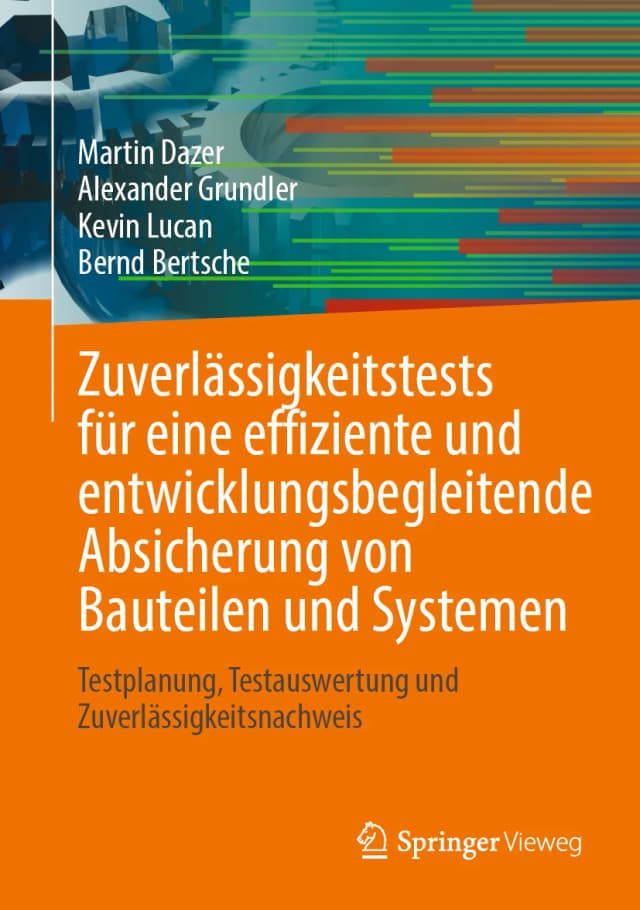
Two Springer books on reliability

Two Springer engineering books document methodological foundations, test strategies and the practical validation of technical products.

View engineering books
Reliability testing for efficient validationReliability in automotive and mechanical engineering

Selected project references

Selected companies RelTest has already worked with.

View all references