
All news

Technical article

Smart Data for Product Design

How field, test and simulation data can support defensible product-design and reliability decisions.

This contribution from the Reliability Seminar 2021 examines how data can be used in reliability engineering. The decisive factor is not volume but whether context, quality and analysis fit the specific engineering question.

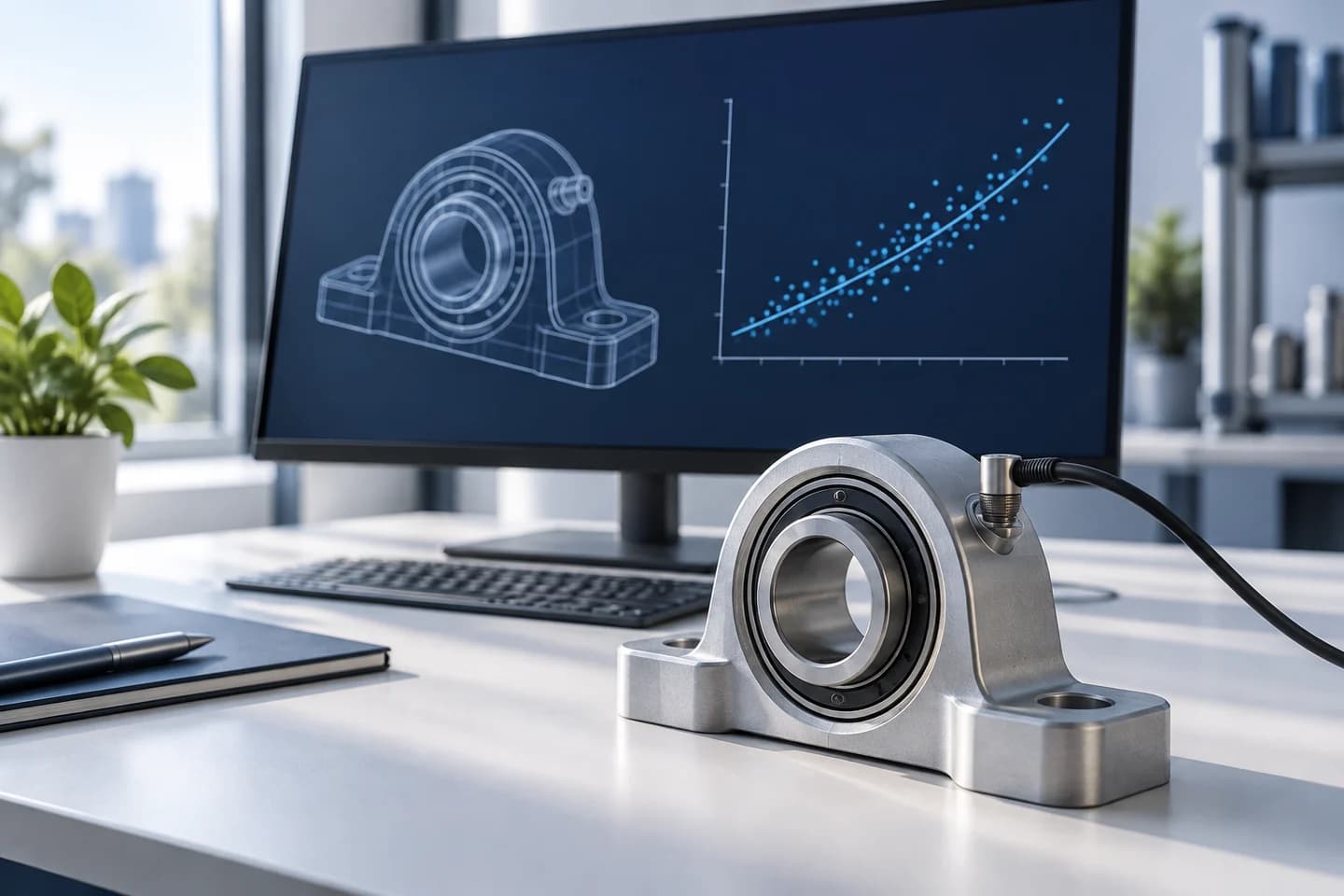
Illustrative image: a sensor-equipped component beside a CAD view and schematic data analysis
Illustrative image connecting product knowledge and data analysis. The screen graphic does not show real measurement data.

From the Reliability Seminar to project practice

The technical impulse was presented during the Reliability Seminar on Data Science for Reliability and Root Cause Analysis. It focused on how data-driven methods can complement established reliability work without ignoring product physics, boundary conditions and uncertainty.

Smart data is more than a large data set

Measurements become interpretable through units, operating states, loads, censoring and traceable provenance. Before choosing a model, the required decision and the fitness of the available data need to be established.

Read product physics and data together

Field, test-bench and simulation data describe different parts of product behaviour. Connecting them to known failure mechanisms and the usage profile helps explain differences, test hypotheses and define technically credible limits for predictions.

Feed the result back into product design

An analysis should not end with a chart. Relevant effects are translated into actions for design, test planning, data acquisition or release, creating a learning loop between use, assessment and product improvement.

Turn data into decisions

We combine data analysis, product knowledge and reliability methods to support transparent development decisions.